

FREE SHIPPING ON ALL ORDERS

How Custom Packaging Can Strengthen Your Brand

Customers often encounter your packaging before they use the product itself. A box, bag, sleeve, or mailer can communicate what your business stands for, help customers recognize your products, and shape the experience of opening a purchase. That is why custom packaging branding should be considered part of your overall brand strategy—not simply a place to print a logo.

When packaging is planned carefully, it can create a consistent visual identity across retail shelves, deliveries, and repeat purchases. This guide explains how custom packaging can strengthen brand recognition, communicate product value, and support a more memorable customer experience, with practical ideas for using kraft packaging.

Quick takeaway
Strong branded packaging combines a recognizable design with the right format, material, and product information. Keep your logo, colors, typography, and messaging consistent, while making sure the package protects the product and is practical to use.

1. Build Brand Recognition With Consistent Packaging

Repeated visual cues help customers connect a package with the business behind it. A consistent logo placement, color palette, typography, and design style can make different products feel like part of the same brand family.

For example, a retailer might use the same logo treatment on kraft bags, product boxes, and labels. An ecommerce business might carry its brand colors from the outer shipping box to the insert card inside. The formats can differ, but the visual identity remains recognizable.

  • Use one approved version of your logo across packaging materials.
  • Choose a small set of brand colors and use them consistently.
  • Keep typography readable at the actual print size.
  • Use repeatable design elements across different packaging formats.

2. Make the First Impression Match Your Brand

Packaging contributes to how a product is presented at checkout, on a shelf, or when a delivery arrives. A neat, well-fitted package can make the purchase feel considered. A premium product may call for a more refined finish, while a natural or handmade brand may prefer a simpler kraft look.

Start by identifying the impression you want customers to have. Then choose packaging details that support it rather than adding decorative elements without a clear purpose.

3. Use Custom Kraft Packaging to Express Your Brand Style

Kraft packaging has a recognizable paper appearance that can suit brands looking for a natural, understated, or practical visual style. It is available in different packaging formats, including boxes and bags, and may be customized with suitable printed artwork and specifications.

Depending on the product and packaging format, you can use a simple one-color logo, a larger printed design, a product label, or a branded sleeve. The most effective approach is one that remains legible and works with the surface and material being printed.

Explore custom printed kraft packaging in the USA to see packaging options for different business and product needs.

4. Choose Packaging That Fits the Product

A strong brand presentation cannot compensate for packaging that is the wrong size or unsuitable for the product. The package should hold the item appropriately, allow for any required protective materials, and suit how it will be stored, displayed, carried, or shipped.

  • Measure the product: check length, width, and height, including components or accessories.
  • Consider product weight: select a construction and closure suited to the expected contents.
  • Plan for protection: use inserts, dividers, or cushioning when products need support.
  • Think about the customer: consider ease of opening, carrying, storage, and disposal.

5. Use Packaging Design to Communicate Brand Values

Packaging can express a brand’s personality through color, typography, imagery, material, and tone of voice. A minimalist design can suggest simplicity; a bold color system can create a more energetic look; and a kraft surface with restrained printing can support a natural visual identity.

Make sure the design reflects real product and business attributes. Avoid claims such as recyclable, compostable, or environmentally friendly unless the specific material, components, and disposal conditions support them.

6. Create a Memorable Unboxing Experience

For online orders and gift purchases, the opening experience is another opportunity to reinforce your brand. A printed insert, tissue paper, sticker, or organized product layout can make the package feel complete. These details should complement the product and not create unnecessary layers or waste.

  • Use a branded seal or sticker to close tissue paper.
  • Add a short thank-you card or helpful product information.
  • Arrange multiple products with suitable inserts or dividers.
  • Keep the opening process straightforward and avoid excessive filler.

7. Make Product Information Easy to Find

Packaging is not only visual. It can also help customers identify a product and understand important details. Depending on the product category, packaging may include the product name, size, variant, instructions, care details, ingredients, warnings, or business information.

Prioritize information customers need and check any applicable labeling requirements for your product and market. Keep the layout organized so required details are not lost among decorative elements.

8. Keep Branding Consistent Across Boxes, Bags, and Labels

Customers may encounter several packaging formats from the same business. A coordinated system helps them recognize the brand even when the product or package changes.

Packaging format Branding opportunity What to check
Product boxes Logo, product name, pattern, or printed panels Fit, construction, print placement, and protection
Shopping and merchandise bags Visible logo, brand colors, and simple messaging Bag dimensions, handle style, and carrying use
Labels and stickers Compact logo, product variant, or seal Legibility, adhesive, and surface compatibility
Sleeves and paper bands Brand story, product details, and visual accents Secure fit and access to product information
Shipping packaging Outer logo, tape, insert cards, and interior print Transit protection, sealing, and shipping dimensions

9. Match Packaging to Your Customer and Sales Channel

Packaging should reflect how customers buy and receive your products. Retail packaging may need to look appealing on a shelf or be comfortable to carry. Ecommerce packaging has to account for handling and delivery, while gift packaging may put more emphasis on presentation.

  • Retail stores: focus on display, easy handling, and bags or boxes that suit checkout purchases.
  • Ecommerce: prioritize shipping protection, efficient packing, and a branded delivery experience.
  • Wholesale: consider consistent product identification, storage, and practical packing quantities.
  • Gift products: consider coordinated boxes, tissue, inserts, and message cards.

10. Avoid Common Custom Packaging Branding Mistakes

Even a good visual concept can be weakened by poor execution. Review these points before sending artwork to production:

  1. Too many design elements: a crowded package can make the brand harder to recognize. Keep the main message clear.
  2. Low-contrast printing: check that logos and text remain readable on the selected material and color.
  3. Incorrect dimensions: confirm the product fit and allow for inserts or protective materials.
  4. Inconsistent artwork: use approved logo files, colors, and fonts across packaging formats.
  5. Unverified claims: ensure material and sustainability statements are accurate and supportable.
  6. Skipping proof approval: review print proofs or samples before approving a production order.

11. How to Plan Custom Printed Kraft Packaging

Before requesting a quote, prepare a clear brief. This helps your packaging supplier understand the product, brand requirements, and intended use.

  • Product type, dimensions, and approximate weight.
  • Packaging format, such as a box, bag, sleeve, or mailer.
  • Material and construction requirements.
  • Logo files, brand colors, and print-ready artwork.
  • Preferred print coverage, colors, and finishing details.
  • Order quantity, delivery location, and target timeline.
  • Any sample, proof, or quality checks required before production.

If you are still comparing formats, our guide to designing custom packaging for small businesses covers practical planning considerations. You can also explore kraft packaging types and uses.

Frequently Asked Questions About Custom Packaging Branding

How can custom packaging strengthen a brand?
Custom packaging can create consistent visual cues, communicate product information, and support a recognizable customer experience across retail and delivery channels.

What is kraft packaging?
Kraft packaging is packaging made using kraft paper or paperboard. It is available in formats such as boxes, bags, and other paper-based packaging styles.

What is kraft packaging used for?
It is used for a range of products, including retail merchandise, gifts, food packaging where suitable, and ecommerce products. The right format and specification depend on the product.

What types of kraft packaging are available?
Common formats include kraft boxes, shopping bags, merchandise bags, mailers, sleeves, and other paper packaging formats.

Can kraft packaging be customized?
Many kraft packaging formats can be specified with different dimensions, constructions, and printed designs, depending on the supplier’s production capabilities.

Can kraft packaging be printed?
Printing may be available for suitable kraft paper and board formats. Confirm the print method, colors, coverage, and artwork requirements for your chosen package.

What should I include in branded packaging?
Start with your logo and recognizable brand elements. Add product information, instructions, or a short message when it is useful to the customer.

How do I get a quote for custom kraft packaging?
Share your product dimensions, packaging format, material preferences, artwork, quantity, and delivery requirements so the supplier can review the specification.

Build a Consistent Brand With Custom Kraft Packaging

Bring your visual identity into every customer interaction with packaging planned around your products and brand. Explore custom printed kraft packaging and prepare your dimensions, artwork, and order requirements.

Explore Kraft Packaging

Ordering note: Packaging formats, printing methods, customization options, and pricing depend on the final specification and production capabilities. Confirm material suitability and print proofs before approving production.
Packaging Ideas for Handmade & Artisan Products

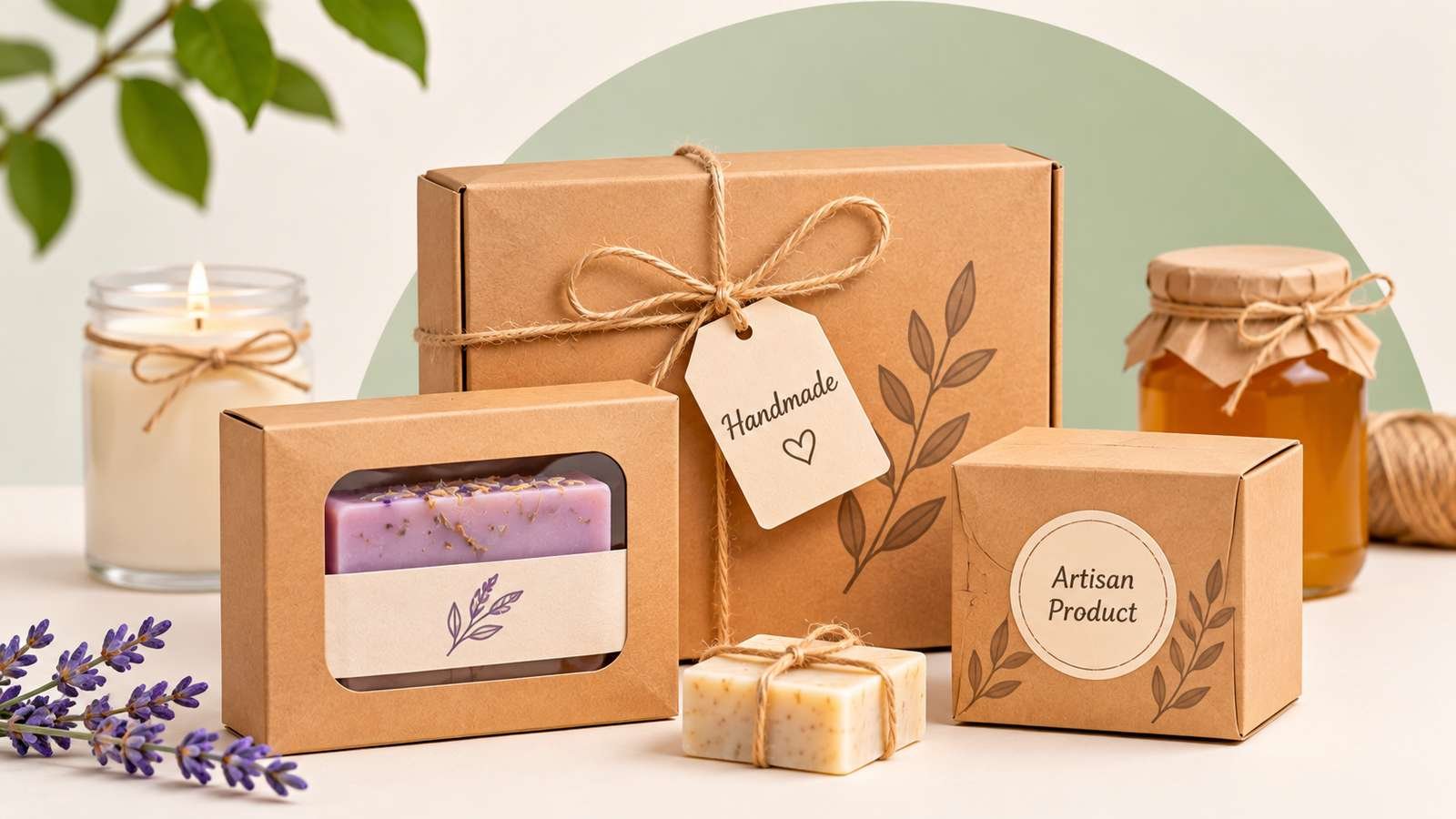
Handmade products carry the care, creativity, and personality of the people who make them. Packaging is one of the first things customers notice, whether they discover your products at a craft market, in a boutique, or through an online order. Thoughtful packaging ideas for handmade products can protect delicate items, communicate your brand story, and make a purchase feel special without making the package unnecessarily complicated.

The right solution depends on what you sell. Handmade soaps, candles, jewelry, ceramics, textiles, and food gifts all have different packaging needs. This guide explores practical ways to package artisan products, choose suitable materials, and create a consistent branded look for a small business.

Quick takeaway
Choose packaging around product protection first, then add brand details such as labels, printed boxes, tissue, tags, or inserts. Custom kraft product boxes can provide a natural-looking, customizable option for many handmade and artisan products.

1. Use Custom Kraft Product Boxes for a Branded Presentation

Kraft boxes are a versatile option for handmade goods that need a defined shape or added protection. Their natural paper appearance works with rustic, minimalist, botanical, and modern brand styles. Depending on the box construction and product, they can be printed with a logo, product name, pattern, or simple brand message.

Use a box that fits the item and its protective materials. A box that is too large may allow products to move during handling, while one that is too small may put pressure on the contents.

  • Good for: candles, soaps, gift sets, accessories, small crafts, and retail products.
  • Branding idea: add a clean logo, a one-color illustration, or a small product label.
  • Practical detail: consider inserts, dividers, or cushioning for fragile or multi-piece products.

Explore custom kraft product boxes for product packaging that can be planned around your item dimensions and branding requirements.

2. Add Simple Branded Labels and Stickers

Labels and stickers are a flexible way to give plain packaging a recognizable identity. A logo sticker can close a box, seal tissue paper, or identify a product. A product label can communicate the item name, scent, color, size, ingredients, or other relevant details where applicable.

  • Keep the logo and product name easy to read.
  • Use a consistent label shape and color palette across product lines.
  • Choose an adhesive and label material suitable for the packaging surface and handling conditions.
  • Check that required product information is accurate and legible.

3. Wrap Products With Tissue Paper

Tissue paper can create a neat first layer inside a box or bag. It is especially useful for lightweight items, apparel accessories, small gifts, and products that benefit from an added presentation layer. Choose a brand color, a neutral shade, or a printed pattern that complements the rest of your packaging.

For delicate items, tissue should be treated as a presentation material rather than the only protective layer. Add suitable cushioning or an insert when the product needs support during shipping or handling.

4. Choose Window Boxes When Product Visibility Matters

A window box lets customers see part of the product without opening the package. This can work well for selected soaps, craft items, gift sets, and products displayed on retail shelves. Window packaging is most useful when the visible part of the product is attractive and the window does not compromise the protection the item needs.

Consider the size and placement of the window, the material used, and whether the contents need additional protection from dust, moisture, or handling.

5. Use Paper Bands, Sleeves, and Belly Bands

A paper band or sleeve can wrap around a product or a simple box to add branding without covering the entire surface. This approach can be useful for handmade notebooks, soaps, candles, textile items, and small gift products when the product already has suitable basic packaging.

Print the product name, logo, short description, or a small illustration on the band. Make sure it fits securely and does not hide important product details.

6. Create Gift Sets With Inserts and Dividers

Artisan products are often purchased as gifts or bundled into collections. A box with an insert or divider can keep several items organized and present them as one coordinated set. For example, a handmade gift box might hold soap bars, a candle, and a small accessory in separate compartments.

  • Measure each item and plan the layout before selecting the box.
  • Use dividers to separate products that may rub against or damage one another.
  • Choose cushioning for fragile contents.
  • Keep the arrangement easy for customers to open and understand.

7. Add a Personal Touch With Thank-You Cards and Product Stories

A small insert card can help handmade brands communicate the story behind a product. It might include a thank-you message, care instructions, information about the maker, or details about how to use the item. Keep the message concise and useful, and ensure any claims about materials or production are accurate.

For products that need special handling or care, clear instructions can be more valuable than decorative copy.

8. Match Packaging to the Handmade Product

There is no single packaging format for every artisan product. Use the table below as a starting point and adjust the specification to the item’s dimensions, fragility, and storage needs.

Product type Packaging ideas Important consideration
Handmade soap Kraft box, paper band, product label Product dimensions, ventilation or wrapping needs, labeling
Candles Fitted product box, insert, warning label Container protection and suitable clearances
Jewelry and accessories Small box, insert, pouch, branded sleeve Prevent movement, tangling, and surface scratches
Ceramics and fragile crafts Sturdy box, fitted insert, cushioning Impact protection and shipping tests
Textiles and handmade apparel Paper wrap, sleeve, merchandise bag Folded dimensions, cleanliness, and presentation
Gift sets Multi-compartment box, dividers, tissue Organize items and prevent contact damage

9. Build a Consistent Handmade Brand Look

Packaging looks more professional when the elements work together. You do not need a complicated design system. Choose a small set of colors, one or two type styles, and a recognizable logo treatment. Apply those choices to boxes, labels, cards, and outer packaging.

  • Use the same logo artwork and color values across print materials.
  • Choose a design that remains readable at small sizes.
  • Keep product names and key information clear.
  • Use a consistent visual style for different scents, flavors, colors, or product collections.
  • Review a printed proof before approving a larger production run.

10. Plan Packaging for Shipping and Retail Separately

A package that looks attractive on a shelf may need additional protection for parcel delivery. If you sell both in person and online, consider a presentation package for the product and a separate outer shipping carton or mailer for transit.

For shipped products, choose protective materials based on the product’s fragility, shape, and shipping conditions. Test the packed product before relying on the packaging for regular orders. For retail display, prioritize easy handling, product visibility where useful, and a format that fits your shelf or counter.

11. How to Order Custom Kraft Product Boxes

Before requesting a quote, prepare the details that determine the box design and production specification:

  1. Product measurements: provide the length, width, and height of the item, including any components that need to fit inside.
  2. Product weight and fragility: explain whether the product is delicate, heavy, or made up of multiple pieces.
  3. Box style: discuss the format and whether you need an insert, divider, or window.
  4. Material and finish: confirm the kraft material, printing requirements, and any finishing options.
  5. Artwork: prepare a high-resolution logo and print-ready design files if available.
  6. Quantity and timeline: share your expected order quantity and required delivery schedule.
  7. Proof or sample: review dimensions, fit, print placement, and construction before approving production.

For more inspiration from a specific handmade category, read our guide to soap packaging ideas for small businesses and handmade brands.

Frequently Asked Questions About Handmade Product Packaging

What are good packaging ideas for handmade products?
Popular options include kraft product boxes, paper bands, branded labels, tissue paper, window boxes, gift packaging, and thank-you cards. The best choice depends on product size, fragility, and how it will be sold or shipped.

What are kraft product boxes used for?
Kraft product boxes are used to package and present many retail and artisan products, including soaps, candles, accessories, gifts, and small merchandise. The box style and material should match the product’s requirements.

Can product boxes be customized?
Custom product boxes may be specified by dimensions, construction, printed artwork, and selected finishing details. Available options depend on the supplier and box format.

Can I add my logo to kraft product boxes?
Logo printing may be available on suitable kraft box formats. Provide your artwork and request a proof to check its size, color, and placement.

What sizes are available for custom kraft product boxes?
Box dimensions depend on the product and the supplier’s production capabilities. Share accurate product measurements to discuss a suitable size.

Are kraft boxes suitable for small businesses?
Kraft boxes can be considered by small businesses looking for paper-based product packaging with branding options. Compare specifications, minimum quantities, and total costs before ordering.

Can I order custom kraft product boxes wholesale?
Wholesale ordering may be available depending on the supplier’s production requirements. Ask about minimum order quantities, price breaks, lead times, and shipping.

How do I protect fragile handmade products?
Use a suitable box with fitted inserts, dividers, or cushioning, and test the packed product under realistic handling and shipping conditions.

Create Custom Packaging for Your Handmade Products

Give your artisan products packaging that fits their size, protects them appropriately, and reflects your brand. Explore custom kraft product boxes and plan your dimensions, artwork, and order requirements.

Explore Custom Kraft Product Boxes

Ordering note: Box availability, customization, minimum quantities, and pricing depend on the final specification and production capabilities. Confirm product fit and protection requirements before approving an order.

Custom Retail Packaging Ideas for Boutiques and Stores

For boutiques and retail stores, packaging is part of the customer experience. A well-chosen bag or box protects a purchase, makes it easier to carry, and gives your brand another opportunity to make a memorable impression. The most effective retail packaging ideas balance appearance with practical details such as product size, weight, storage, and budget.

Whether you run a clothing boutique, gift shop, cosmetics store, or specialty retailer, you can build a consistent packaging style without making every package complicated. This guide covers practical ideas for shopping bags, merchandise bags, boxes, labels, and branded details.

Quick takeaway
Start with packaging that fits your products, then create consistency through colors, logos, materials, and finishing details. Custom kraft merchandise bags can be a useful option for stores that want a natural paper look with room for branding.

1. Use Custom Kraft Merchandise Bags for Everyday Purchases

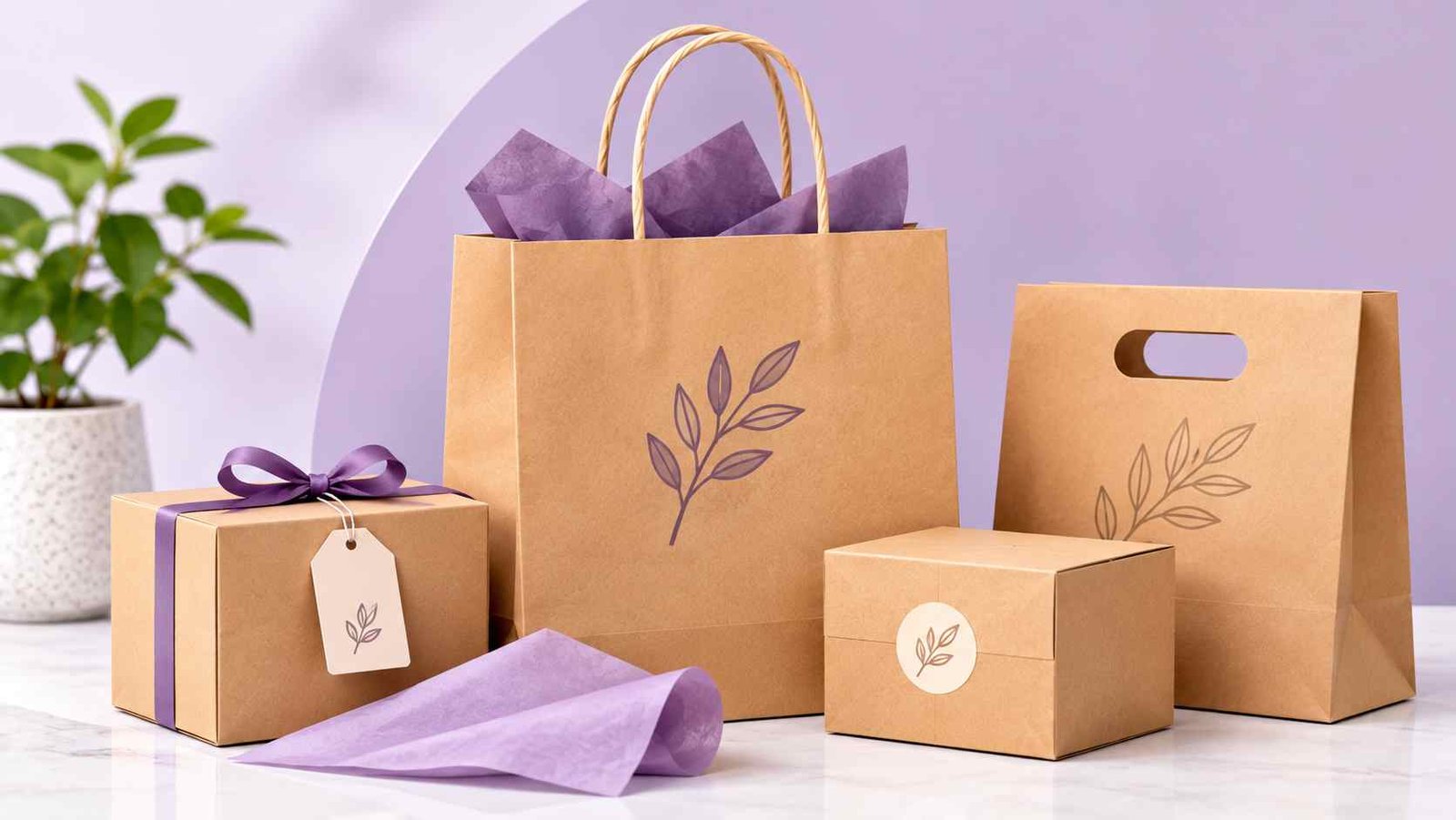
Shopping bags are often the final packaging customers receive at checkout. Custom kraft merchandise bags offer a paper-based format that can be printed with a store logo, brand colors, or a simple design. They work well for many boutique and retail purchases when the bag dimensions and construction match the products being carried.

Consider a clean logo on one side, a small brand message, or a repeating pattern that reflects your store identity. Keep important information easy to read and avoid overcrowding the design.

  • Best for: apparel, accessories, gifts, books, and general retail merchandise.
  • Design idea: natural kraft color with a one-color logo for a restrained look.
  • Practical tip: select dimensions and handle styles based on the size and weight of typical purchases.

Explore custom kraft merchandise bags for branded retail packaging options.

2. Create a Consistent Brand Color Palette

Consistency makes different packaging pieces feel like part of one brand. Choose a small palette that works with your store logo, signage, and product presentation. You might use a natural kraft base with one or two brand colors, or choose white packaging with a distinctive accent.

  • Use the same logo placement across bags, labels, and boxes.
  • Choose colors that remain legible against the packaging material.
  • Keep typography consistent and limit the number of fonts.
  • Prepare print-ready artwork and review a proof before production.

3. Add Branded Tissue Paper and Product Wrap

Tissue paper can make the unboxing or checkout experience feel more considered, especially for apparel, accessories, cosmetics, and gifts. Use a single brand color, a subtle printed pattern, or a small logo repeat. For products that need extra protection, choose an appropriate wrap and packing method rather than relying on decorative tissue alone.

Coordinate tissue paper with the shopping bag or merchandise box so the packaging looks intentional when customers open it.

4. Choose Retail Boxes That Fit the Product

Boxes are useful when merchandise needs more structure or protection than a bag can provide. Apparel accessories, candles, cosmetics, gifts, and specialty items may benefit from a box selected for the product’s dimensions and handling needs.

  • Choose a box style that fits the product without excessive empty space.
  • Consider inserts or dividers when items need to stay in place.
  • Use a printed label or sleeve when a full custom print is not necessary.
  • Make sure the material and closure suit storage, display, and transport.

5. Use Stickers, Labels, and Hang Tags

Small branded details can help unify plain packaging. Logo stickers can seal tissue paper or close a package, while labels can communicate product information. Hang tags are useful for apparel and accessories, where customers may need details such as size, care, or product identity.

Keep each element purposeful. Include only the information customers need, and make sure required product or business information is accurate.

6. Offer Gift-Ready Packaging

Many retail purchases are intended as gifts, even when customers do not ask for gift wrapping in advance. A simple gift-ready option can include a suitable bag or box, coordinated tissue paper, and a branded sticker or tag. For boutiques, this can make the purchase feel complete without requiring an elaborate package.

Consider offering a standard packaging option and a more decorative option for special purchases or seasonal promotions.

7. Use Window Packaging When Product Visibility Helps

For selected products, a clear window can let customers see the item while keeping it contained. Window packaging may suit accessories, gift sets, and certain specialty retail products. It is not necessary for every product: choose it when visibility adds useful information or improves presentation, and confirm that the window material and construction suit the product.

8. Make Seasonal Packaging Easy to Adapt

Seasonal packaging can help a store refresh its presentation for holidays, events, or limited-time collections. Instead of changing every packaging component, keep your core bag or box design consistent and add a seasonal sticker, sleeve, tag, or tissue color.

  • Use a limited seasonal color accent.
  • Keep the main logo and brand identity recognizable.
  • Plan quantities carefully to avoid excess packaging after a promotion ends.
  • Choose add-ons that can be applied to your regular packaging stock.

9. Select Packaging Based on Product and Store Type

Different stores have different packaging priorities. Use the table below as a starting point, then adjust the materials and dimensions to your products.

Store type Packaging ideas Key consideration
Clothing boutique Kraft merchandise bags, tissue, hang tags Bag size, handles, and garment fit
Gift shop Gift boxes, printed bags, ribbons, stickers Presentation and product protection
Cosmetics retailer Small merchandise bags, cartons, labels Product dimensions and secure packing
Jewelry store Small boxes, pouches, branded bags Protection, presentation, and sizing
Book or stationery store Paper shopping bags, sleeves, labels Product dimensions and carrying comfort

10. How to Plan Custom Retail Packaging on a Budget

A polished package does not require every component to be custom-made. Prioritize the items customers see and use most often, then add optional details as your budget allows.

  1. Start with the essentials. Choose a suitable bag or box for your most common purchases.
  2. Use one strong brand element. A clear logo or consistent color can make plain packaging recognizable.
  3. Standardize sizes where practical. A small range of bag or box sizes may cover many products while simplifying storage.
  4. Compare total order costs. Ask about quantity breaks, print setup, material, finishing, shipping, and storage.
  5. Request a sample or proof. Check dimensions, print appearance, handle attachment, and construction before approving a larger order.

11. What to Check Before Ordering Custom Merchandise Bags

Before you order custom kraft merchandise bags for retail, prepare a clear specification. This helps your packaging supplier recommend a suitable format and provide a more accurate quote.

  • Bag width, height, and gusset depth.
  • Product type, approximate weight, and how customers will carry it.
  • Kraft paper or other material requirements.
  • Handle style and attachment requirements.
  • Logo artwork, print colors, and print area.
  • Order quantity, delivery destination, and required timeline.
  • Sample, proof, and quality approval process.

For more guidance on selecting bag materials and formats, read our guides to how to choose the right paper bag for your business and kraft paper bag types and uses.

Frequently Asked Questions About Retail Packaging

What are kraft merchandise bags?
Kraft merchandise bags are paper shopping or carry bags made with kraft paper. They can be specified in different sizes and handle styles, and may be printed with a retailer’s branding.

What are custom kraft merchandise bags used for?
They are commonly used by boutiques, clothing stores, gift shops, and other retailers to package purchases for customers.

Can kraft merchandise bags be customized?
Customization may include bag dimensions, handle style, printed artwork, and other production details, depending on the available bag format.

Can kraft merchandise bags be printed?
Yes, kraft bags can be produced with branding and artwork when the chosen material and printing specifications support the design. Request a proof to review colors and placement.

How much do custom kraft merchandise bags cost?
Pricing depends on dimensions, paper specification, printing, handle type, finishing, order quantity, and delivery. Share these details to request a quote for your project.

What size merchandise bag do I need?
Measure the products you sell, allow suitable room for packing, and consider whether customers may purchase multiple items together. A supplier can help review dimensions and gusset depth.

Are kraft merchandise bags suitable for retail?
They can be suitable for many retail applications when the paper, bag dimensions, handles, and construction are selected for the products being carried.

Can small businesses order custom kraft merchandise bags wholesale?
Wholesale ordering may be available in different quantities depending on the supplier’s production requirements. Confirm minimum quantities, pricing tiers, and lead times before ordering.

Create Branded Packaging for Your Store

Give retail purchases a consistent look with custom merchandise bags designed around your products and brand. Explore bag options, review your size and handle requirements, and prepare your artwork for a quote.

Explore Custom Kraft Merchandise Bags

Ordering note: Product suitability, print options, minimum quantities, and pricing depend on the final bag specification and supplier production capabilities. Confirm details before placing an order.