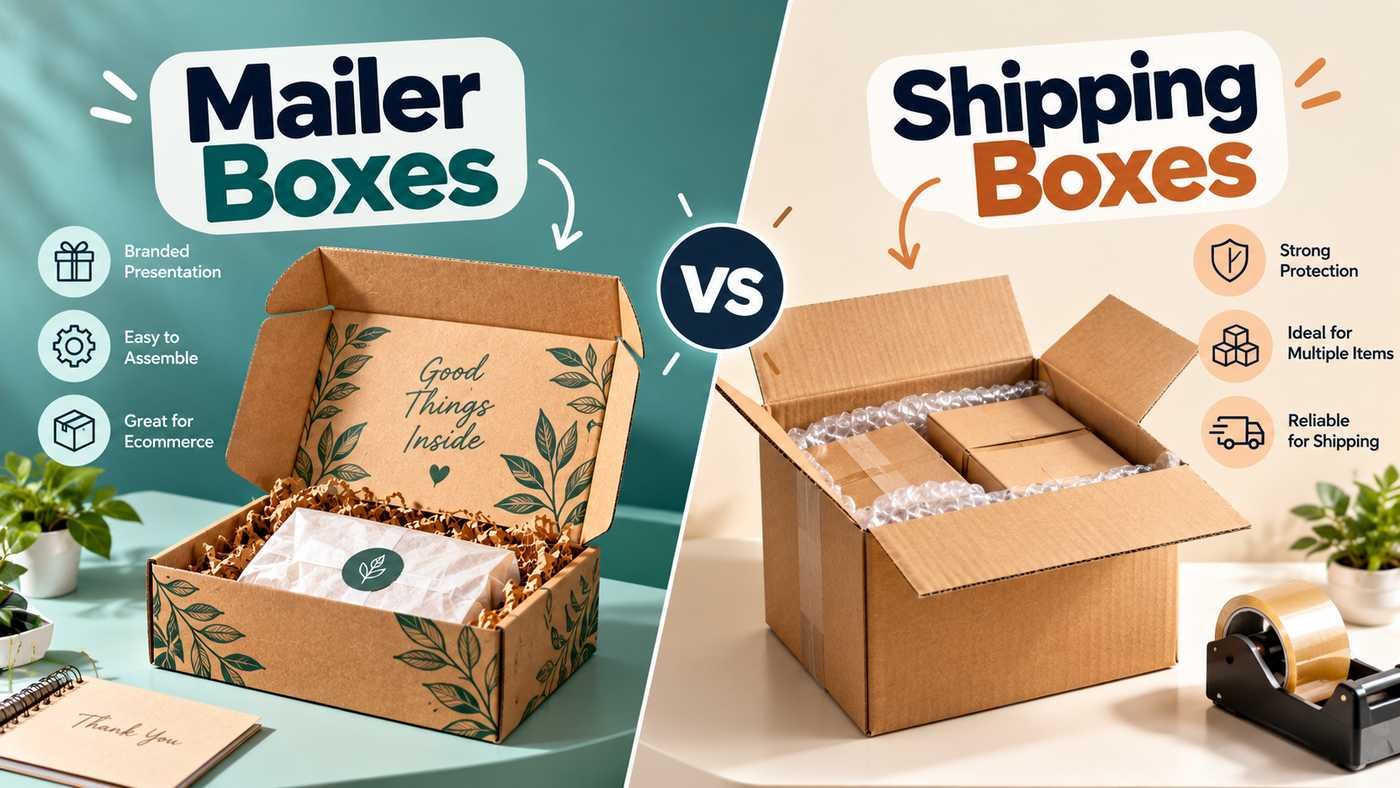
Choosing the right shipping package can affect product protection, fulfillment, branding, and the customer experience. Two common options for online businesses are mailer boxes and traditional shipping boxes. While both are designed to package products for delivery, their structures and typical applications are different.
Understanding the difference between mailer boxes vs shipping boxes can help you choose a packaging format that fits your product, shipping process, branding goals, and order volume.
What Is a Mailer Box?
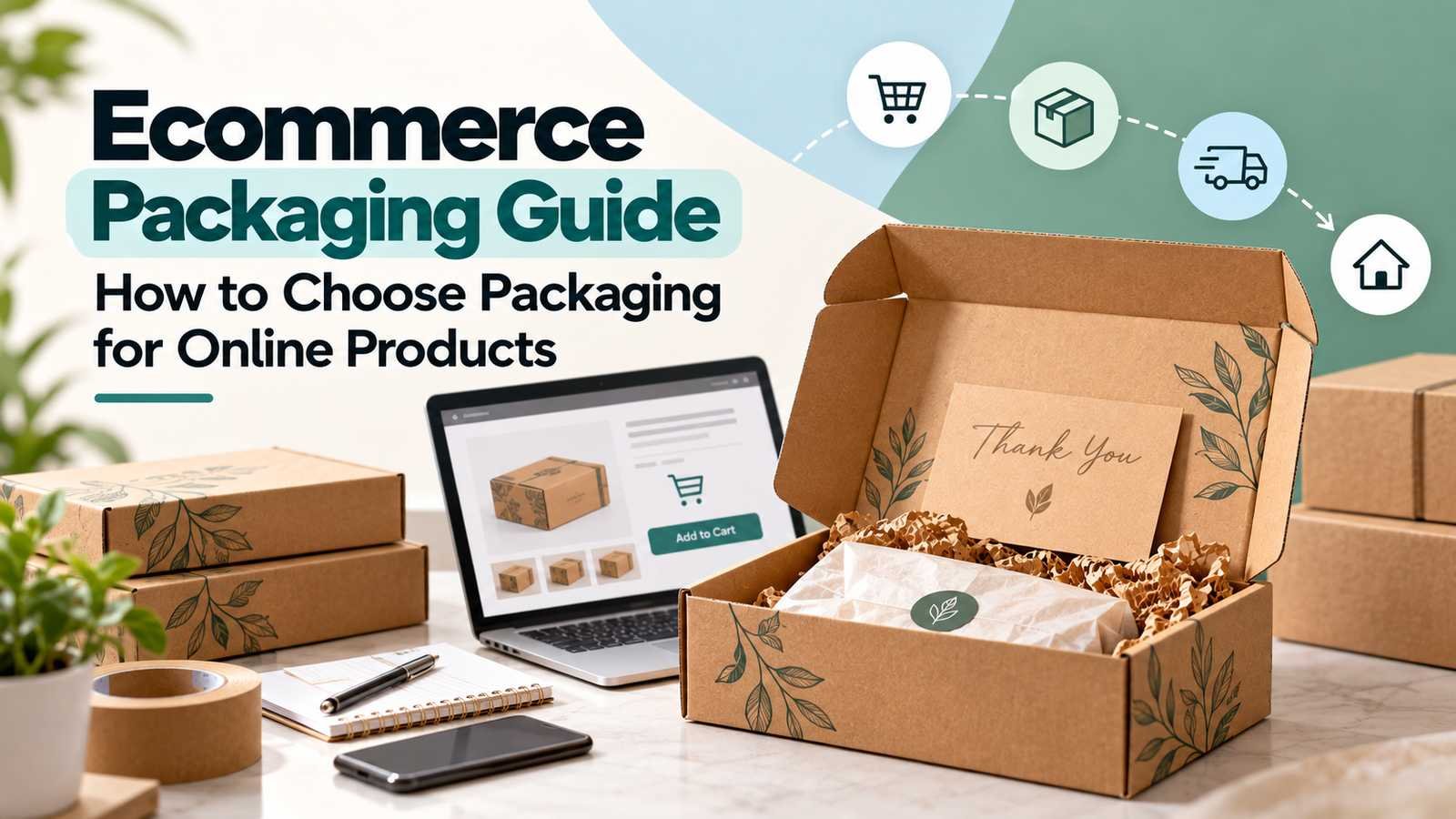
A mailer box is a folding box designed with an integrated structure that allows the package to be assembled and closed without relying entirely on separate packing tape. Depending on the style, the box can include locking tabs, tuck-in flaps, dust flaps, and other integrated features.
Mailer boxes are commonly used for ecommerce orders, subscription products, apparel, accessories, gifts, cosmetics, and other products that benefit from a branded presentation.
What Is a Shipping Box?
A shipping box is primarily designed to contain and protect products during transportation. Traditional shipping boxes commonly feature separate flaps that are folded over the opening and secured with packing tape.
They are frequently used for larger products, heavier shipments, multiple-item orders, wholesale shipments, and products that require additional protective materials.
The construction of a shipping box can vary depending on its material, board strength, dimensions, product weight, and intended shipping conditions.
Mailer Boxes vs. Shipping Boxes: Quick Comparison
What Is the Main Difference Between Mailer and Shipping Boxes?
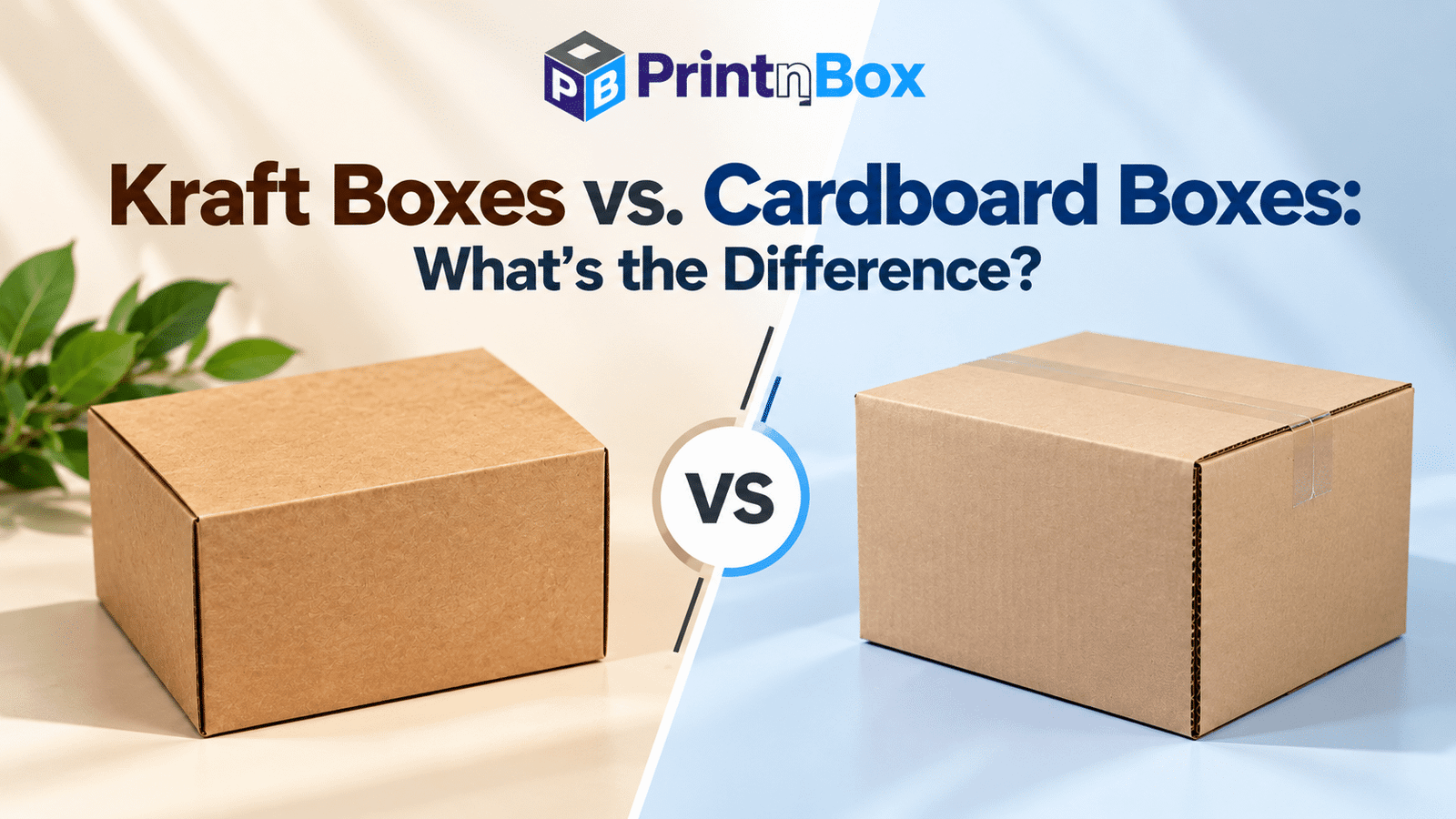
The most noticeable difference is the box construction.
Mailer boxes generally have an integrated closure system. Their panels and flaps fold into position to create the finished package. This can simplify packing and give the customer a defined opening sequence.
Traditional shipping boxes generally use four main flaps that fold toward the center. Packing tape is commonly used to secure the package after the product and protective materials have been placed inside.
Neither format is automatically right for every product. The better choice depends on what you are shipping and how your business fulfills orders.
Mailer Boxes vs. Shipping Boxes for Ecommerce
Ecommerce packaging needs to work through several stages: product storage, picking, packing, labeling, shipping, delivery, and customer unboxing.
For businesses shipping similar products directly to consumers, mailer boxes can provide a consistent package format. They can also make the package itself part of the brand experience.
Shipping boxes can offer greater flexibility when orders contain multiple products, heavier items, unusual shapes, or larger amounts of protective material.
When Should You Use Mailer Boxes?
Mailer boxes can be a practical option when you want packaging that combines shipping functionality with a recognizable presentation.
- Ecommerce products
- Subscription boxes
- Clothing and apparel
- Accessories
- Beauty products
- Small consumer products
- Gift orders
- Direct-to-consumer shipments
They are particularly useful when the package is part of the customer’s overall product experience.
When Should You Use Shipping Boxes?
Traditional shipping boxes may be more appropriate when flexibility, product protection, or shipment size is the primary concern.
- Large products
- Heavy products
- Multiple-product orders
- Wholesale shipments
- Products requiring substantial protective material
- Irregularly shaped products
- Orders requiring additional reinforcement
The correct shipping box should provide enough room for the product and necessary protective materials without creating unnecessary empty space.
Mailer Boxes and Branding
Branding is another area where mailer boxes can be useful. A package can become part of the visual identity of an ecommerce business instead of being treated only as a shipping container.
For example, printed kraft mailer boxes can incorporate logos, colors, patterns, messaging, or other brand elements into the package design.
This can help create a more consistent experience between the customer’s online purchase and the physical order they receive.
Are Kraft Mailer Boxes Suitable for Shipping?
Yes, kraft mailer boxes can be suitable for shipping when their construction, dimensions, and material are appropriate for the product being shipped.
The important consideration is not simply whether a box is made from kraft material. You should also consider the product’s weight, dimensions, fragility, internal protection, closure, and shipping requirements.
For ecommerce businesses, kraft mailer packaging can provide a practical format for products that need both shipping functionality and branded presentation.
Custom Kraft Mailer Boxes for Ecommerce
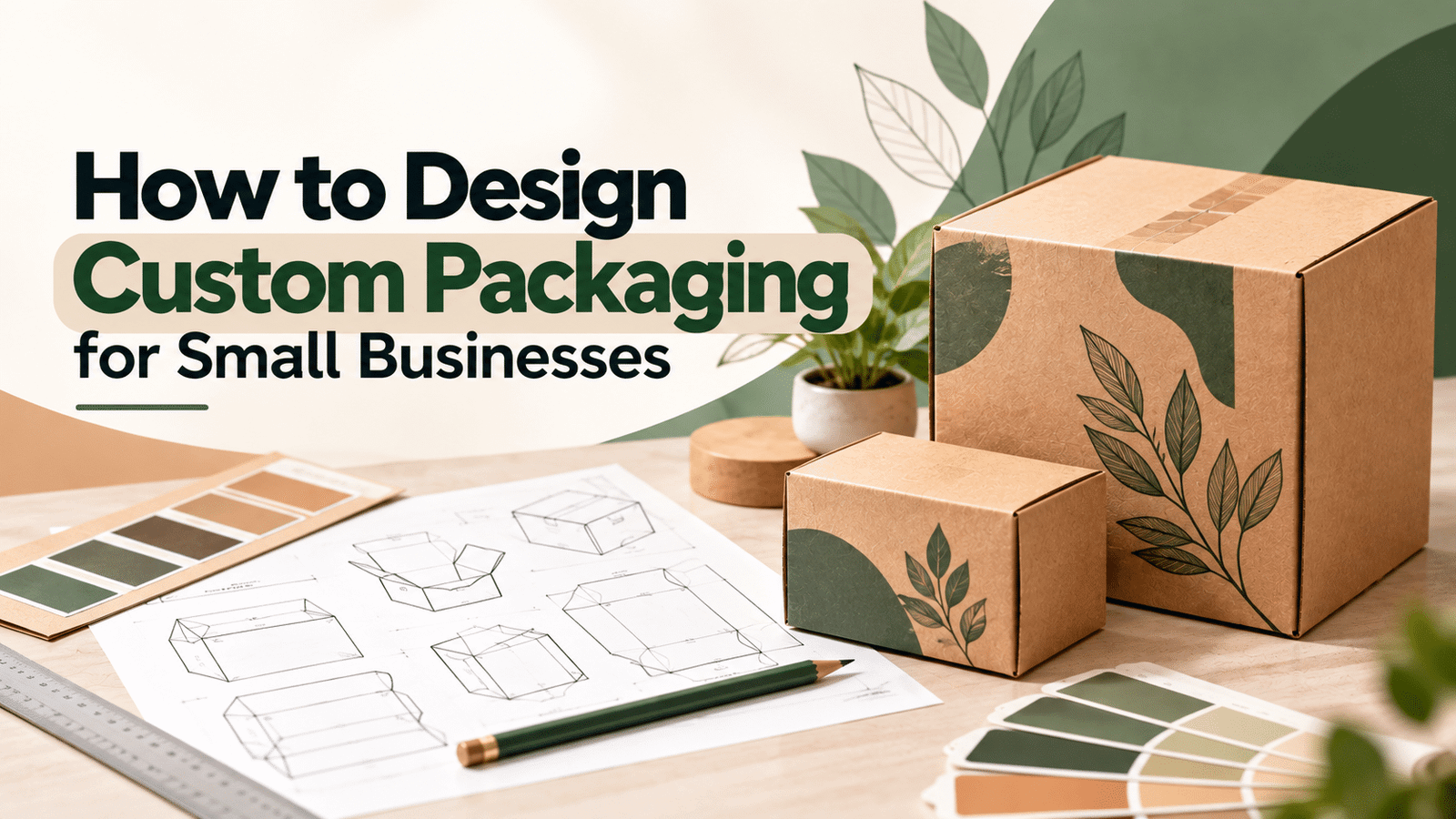
When standard packaging does not provide the right fit or brand presentation, custom kraft mailer boxes can be designed around the needs of the product.
Customization can allow businesses to consider the box dimensions, printed design, branding, closure structure, and overall presentation instead of relying entirely on a generic package.
This can be particularly relevant for custom kraft mailer boxes for ecommerce, where the package is delivered directly to the customer and may form part of the overall brand experience.
Are Mailer Boxes Durable?
Durability depends on the specific box construction, material, dimensions, product weight, and how the package is packed.
A mailer box should be selected according to the demands placed on it during fulfillment and shipping. Fragile products may also require inserts, cushioning, wrapping, or other internal protection.
For products that require additional protection, the packaging should be tested with the actual product before placing a large production order.
Which Box Provides Better Product Protection?
There is no universal answer because protection depends on the complete packaging system rather than the name of the box format alone.
A properly designed mailer box can provide suitable protection for many ecommerce products. A traditional shipping box can also provide reliable protection when its construction and packing method are appropriate.
Mailer Boxes vs. Shipping Boxes for Different Products
What Sizes Are Available?
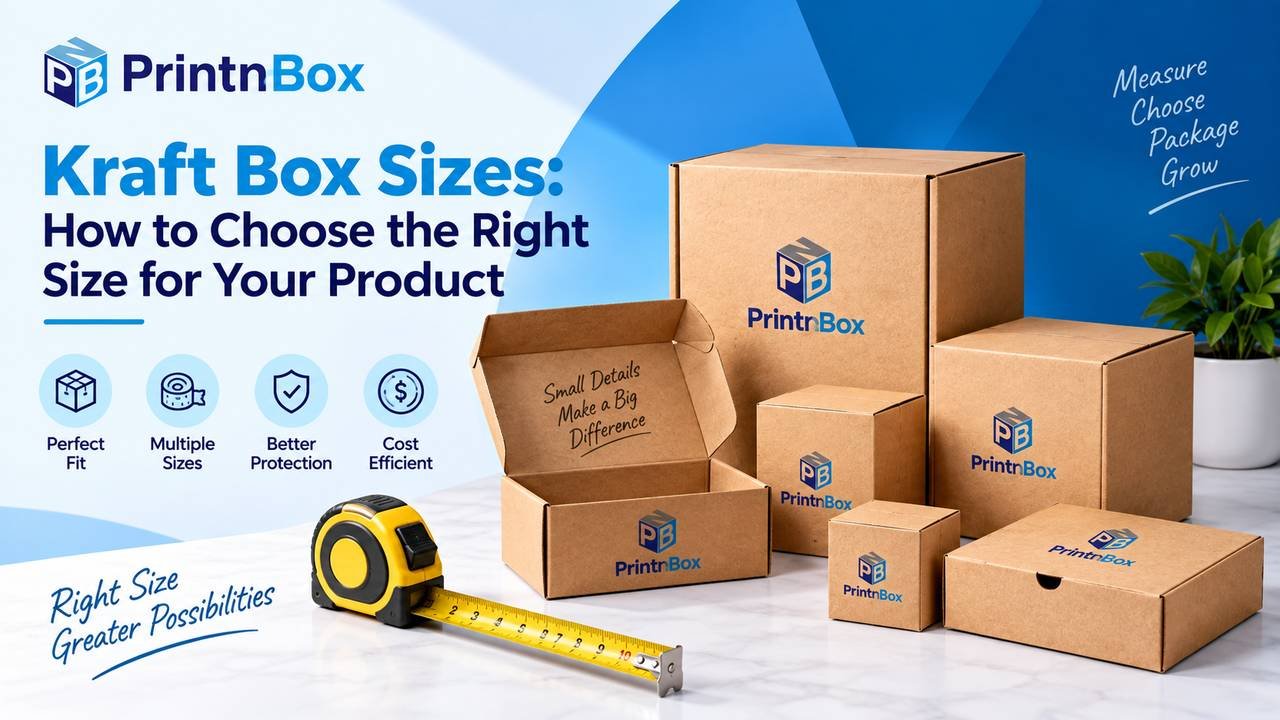
Both mailer and shipping boxes can be produced in different dimensions. The appropriate size depends on the product and any materials that need to be placed inside the package.
Before selecting a size, measure the product’s length, width, and height. Then account for tissue paper, inserts, cushioning, or other protective components.
Choosing the right dimensions can help avoid unnecessary empty space while still making packing straightforward.
Mailer Boxes and the Unboxing Experience
The customer’s interaction with packaging does not end when the package arrives. Opening the package is part of the overall experience.
Mailer boxes can support a defined opening sequence where the customer sees the packaging design, inserts, product, and brand messaging in a planned order.
This makes them useful for businesses that want their packaging to feel like an extension of the product rather than simply an outer shipping container.
Custom Printed Kraft Mailer Boxes for Shipping
For brands that want packaging to combine shipping functionality and visual identity, custom printed kraft mailer boxes for shipping can be considered.
The design can be planned around the product, package dimensions, brand identity, and desired customer presentation. Before ordering in bulk, test the actual finished package with the product inside.
How Do Shipping Requirements Affect Your Choice?
Shipping requirements should be considered before selecting the final box. Think about the packed dimensions, product weight, internal protection, labeling area, storage, and how the package moves through your fulfillment process.
A box that works perfectly for a small lightweight order may not be appropriate for a heavier multi-product shipment.
What About Wholesale and Bulk Orders?
Businesses shipping a consistent volume of products may need packaging in larger quantities. In this situation, the decision should include not only the box design but also storage, packing speed, product consistency, and reorder requirements.
For brands evaluating wholesale custom kraft mailer boxes, it is useful to confirm the required dimensions and packaging specifications before committing to a larger order.
If your business is considering wholesale kraft mailer boxes USA or other bulk packaging options, compare the packaging requirements of your most common products rather than selecting a size based on one product alone.
Common Mistakes When Choosing Between Mailer and Shipping Boxes
- Choosing the box before measuring the product.
- Assuming one packaging format works for every order.
- Focusing on appearance while overlooking protection.
- Ignoring the fulfillment workflow.
- Using excessive empty space.
- Ordering in bulk before testing the finished package.
- Forgetting to consider the customer’s unboxing experience.
How to Choose Between Mailer Boxes and Shipping Boxes
Ask these questions before selecting your packaging:
- What are you shipping? Consider size, weight, shape, and fragility.
- How is the order packed? Determine whether you normally ship one product or multiple products together.
- How important is branding? If packaging is part of the customer experience, a custom mailer format may be useful.
- How much protection is required? Account for inserts, cushioning, wrapping, or other protective materials.
- How will the package be opened? Consider the customer’s complete unboxing experience.
- What quantities do you need? Consistent ecommerce orders may benefit from standardized packaging.
- Have you tested it? Test the actual finished package before ordering in large quantities.
Mailer Boxes vs. Shipping Boxes: Decision Checklist
Frequently Asked Questions
What is the difference between mailer boxes and shipping boxes?
Mailer boxes typically feature an integrated folding and closure structure designed for convenient packing and presentation. Traditional shipping boxes commonly use separate flaps that are secured with packing tape and can provide flexibility for larger or varied shipments.
Are kraft mailer boxes suitable for shipping?
Kraft mailer boxes can be suitable for shipping when their construction, dimensions, product fit, and internal protection are appropriate for the shipment.
Can kraft mailer boxes be custom printed?
Yes. Custom mailer packaging can incorporate printed branding, graphics, messaging, and other design elements depending on the selected packaging specifications.
Are kraft mailer boxes durable?
Durability depends on the specific material, construction, dimensions, product weight, and packing method. The complete packaging system should be evaluated according to the product being shipped.
What sizes are available for mailer boxes?
Mailer boxes can be produced in different dimensions. The appropriate size depends on the product and the space required for any inserts, wrapping, or protective materials.
Can I order kraft mailer boxes in bulk?
Yes. Businesses can plan packaging quantities around their expected order volume. Before placing a larger order, it is useful to confirm the required dimensions, design, and packaging specifications.
Final Thoughts
The difference between mailer boxes and shipping boxes is mainly related to their structure, closure, fulfillment process, product requirements, and role in the customer experience.
Mailer boxes can work well for ecommerce brands that want a convenient shipping format with a recognizable presentation. Traditional shipping boxes can offer flexibility for larger, heavier, or more varied shipments.
The right choice should be based on the actual product, dimensions, protection requirements, fulfillment workflow, branding goals, shipping process, and order volume.
When a branded mailer format fits your needs, custom kraft mailer boxes USA can be considered as part of your packaging strategy. Testing the finished package before moving to a larger order can help ensure that the selected format works for both your business and your customers.