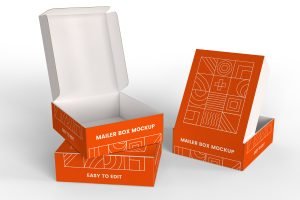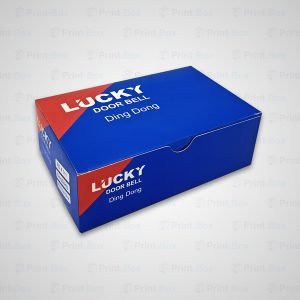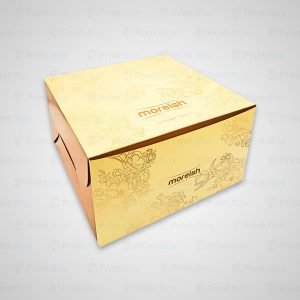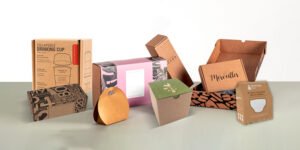
Great soap packaging does more than protect a bar. It helps customers recognize your brand, understand the product, and feel confident choosing it for themselves or as a gift. For small businesses and handmade soap brands, the right packaging can also make a simple product look consistent and retail-ready without making the packaging process unnecessarily complicated.
These soap packaging ideas cover kraft boxes, custom printing, minimalist designs, scent-based color systems, sleeves, gift packaging, and practical ways to choose a box that suits your product and budget.
Quick takeaway
Choose soap packaging that fits the bar, communicates your brand, and presents essential product information clearly. Kraft boxes are a versatile starting point for handmade brands, while custom printing and coordinated colors help create a more recognizable product range.
1. Use kraft soap boxes for a natural, versatile look
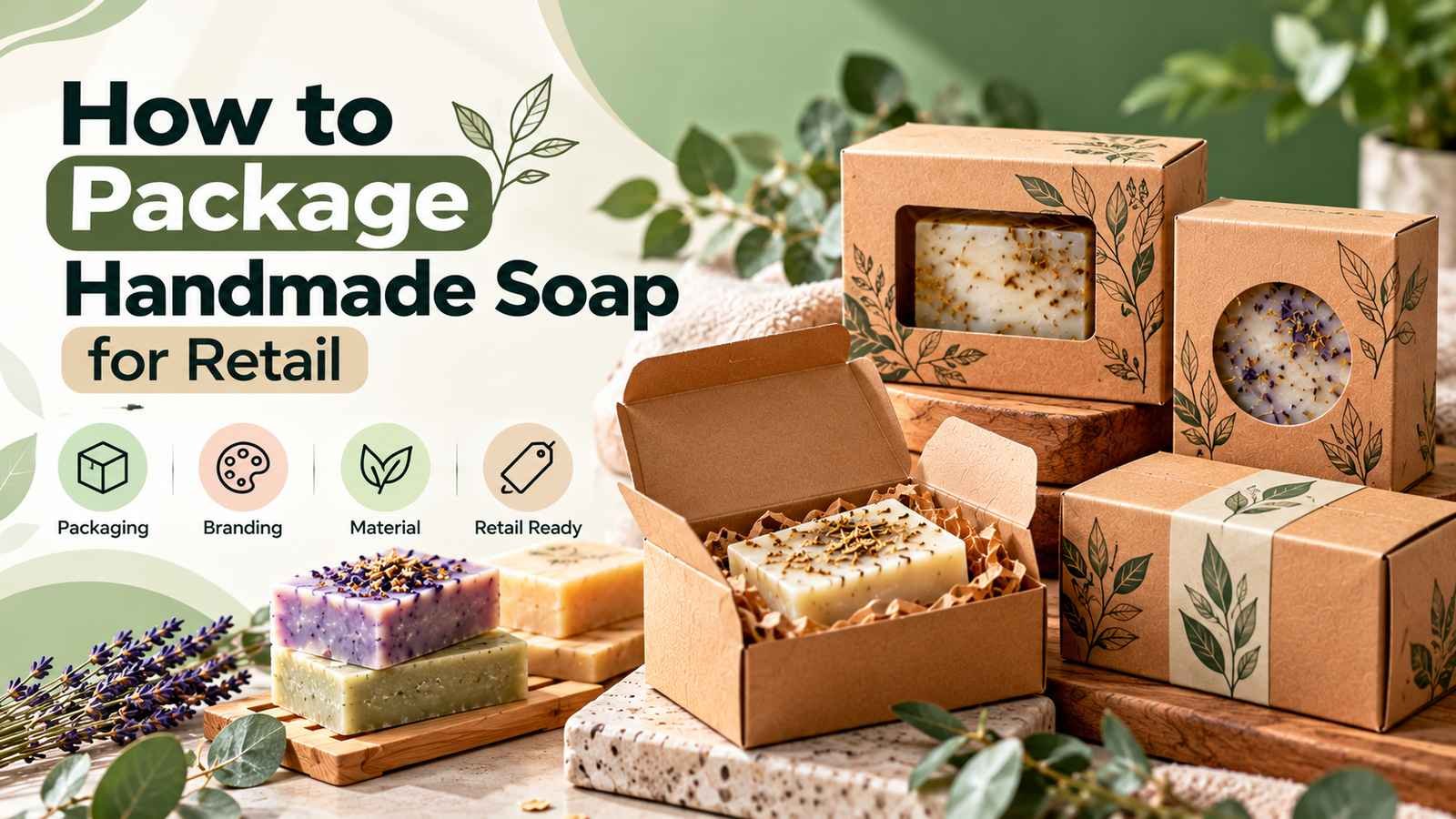
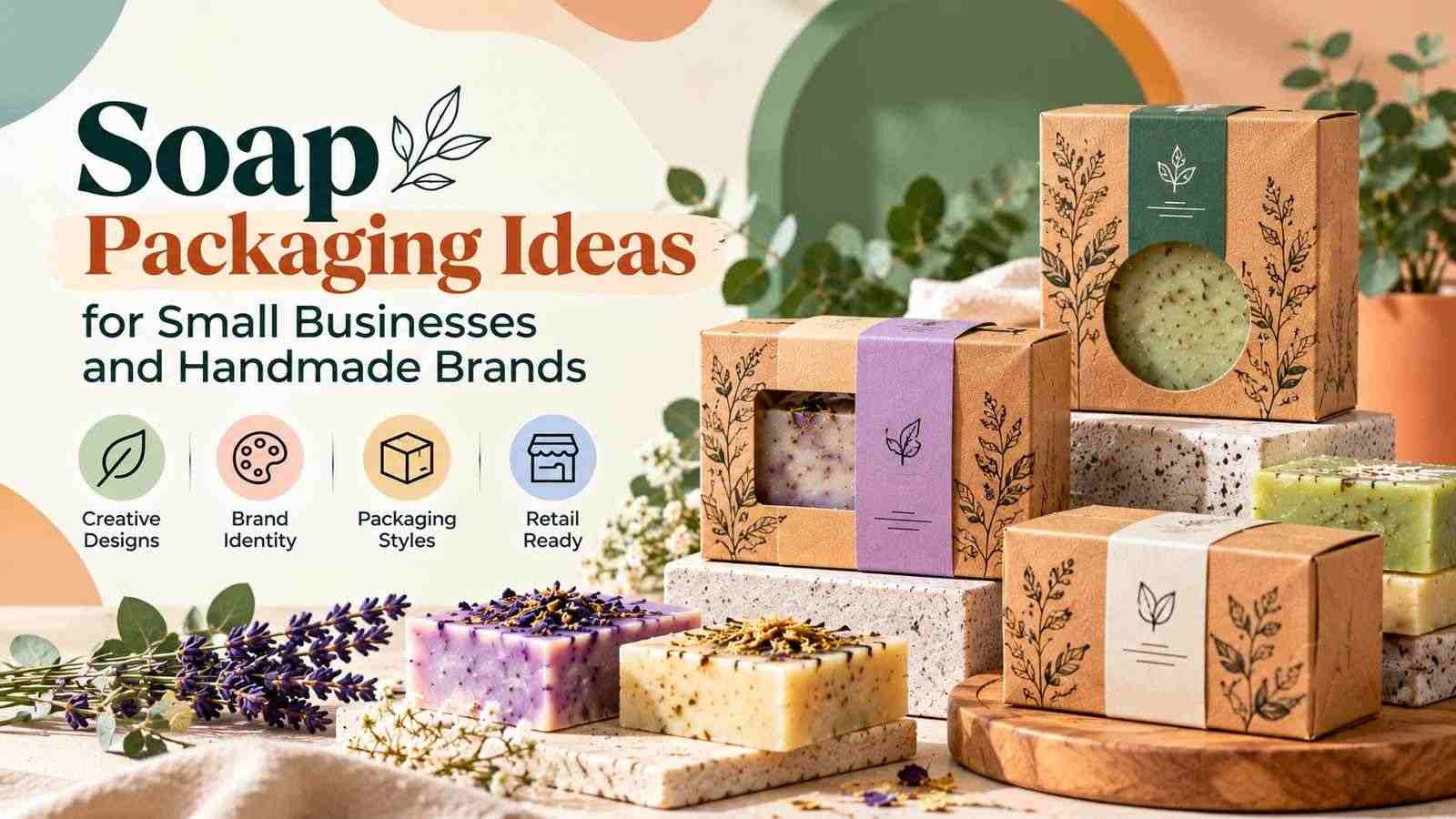
Kraft packaging has a warm, understated appearance that works well for handmade soaps, botanical collections, artisan products, and brands that prefer a simple visual identity. Its neutral brown surface can complement earthy colors, black typography, botanical illustrations, or a small brand mark.
Plain kraft boxes can create a clean look, while printed kraft boxes help your products stand out with a logo, scent name, product details, or decorative artwork. If you are comparing options, explore custom kraft soap boxes for handmade soap and consider the dimensions, board style, and finish that suit your bars.
2. Add custom printing to build brand recognition
Packaging is often one of the first brand touchpoints a customer sees. A consistent logo, readable product name, and repeatable layout can help your soap line look cohesive across scents and collections. You do not need to cover every surface with graphics; a well-placed logo and a clear product name can be enough.
- Place your logo where it is easy to notice.
- Use one or two typefaces consistently.
- Keep scent names prominent and easy to read.
- Use a repeatable design grid across the product range.
- Check that small text remains legible at the final box size.
Custom printed kraft soap boxes can combine a natural material appearance with branding that feels specific to your business.
3. Try a minimalist design
Minimalist soap packaging relies on space, simple typography, and a limited color palette. This approach can be useful for modern, premium, spa-inspired, or unisex product lines. Avoid adding decorative elements simply to fill empty space. Instead, make the product name, scent, and brand mark the focus.
Before approving a minimalist layout, print a sample at actual size. Fine lines and small text can look clear on a large screen but become difficult to read on a compact soap box.
4. Use colors to organize scents and collections
If your range includes several fragrances, a simple color system helps shoppers distinguish products quickly. Keep the main packaging structure consistent and assign a small accent color to each scent or collection.
Use color as a navigation aid, not the only way to identify a product. Keep the scent name or product variant printed clearly as well.
5. Consider sleeves and paper bands
A paper sleeve or band can provide space for branding while leaving part of the soap visible, if that suits the product and your display needs. Sleeves may also work for seasonal runs, limited editions, or a simple packaging refresh. Check that the band stays in place and that any exposed soap is appropriate for the conditions in which it will be stored and sold.
Compare sleeves with a full box based on protection, presentation, handling, and the amount of information you need to display. The lowest-material option is not automatically the best choice if the product needs more coverage or a more secure retail presentation.
6. Make gift-ready soap packaging
Gift packaging can help handmade soap fit holiday collections, event favors, thank-you gifts, and curated gift sets. You can create a gift-ready feel through coordinated colors, a neat label, a simple insert, or a box designed to hold more than one bar.
- Use a consistent visual theme across the set.
- Check that multiple bars fit without excessive movement.
- Make the scent and product variants easy to identify.
- Choose decorative details that suit your price point and sales channel.
For gift sets, test the complete package—not just the individual soap box—so the products stay organized during storage, display, and delivery.
7. Keep product information clear
Packaging should be attractive, but customers also need to understand what they are buying. Depending on your product and applicable requirements, you may need to include information such as the product name, ingredients, net weight, business details, directions, or cautions. Confirm the labeling rules that apply to your particular soap and where you sell it; requirements can vary by product claims and jurisdiction.
Plan the information area before finalizing the artwork. Do not shrink essential text simply to fit an overly complicated design. Leave enough contrast between the lettering and the background, and proofread all product details before approving production.
8. Choose a box size that fits the soap
A box that is too tight can be difficult to pack and may damage the packaging. A box that is too large can allow the bar to shift and make the product look less finished. Measure the soap after it has completed any curing or drying process relevant to your product, then test the intended fit.
- Measure the bar’s length, width, and height.
- Account for the product’s shape and any wrap or insert.
- Confirm the box’s usable internal dimensions.
- Pack a sample and check insertion and removal.
- Test how the packed product handles storage and shipping.
When planning custom kraft soap boxes for small businesses, share accurate product measurements and ask for a sample or prototype when available.
9. Balance presentation with practical packaging choices
Consider how your soaps will reach customers. Products sold at markets may need packaging that looks appealing on a table and is easy to restock. Retail products need a tidy, repeatable appearance and clear product information. Ecommerce orders may require additional outer packaging to protect the soap boxes during transit.
If sustainability is part of your brand message, describe materials and disposal guidance accurately. Do not assume every paper-based component is recyclable in every location; coatings, adhesives, inks, and local collection systems can affect disposal options.
10. Order packaging in a way that supports growth
Small businesses can start by standardizing box styles and using controlled variations for different scents. Before placing a larger order, approve the artwork, check dimensions, confirm print colors, and review a physical sample if possible. Compare unit cost alongside storage needs, minimum quantities, setup costs, and the risk of changing the design later.
Wholesale or bulk orders may help maintain consistency as demand grows, but the right quantity depends on sales velocity, available storage, cash flow, and how often your branding or product range changes. For a custom order, prepare the box dimensions, quantity, artwork, and finishing preferences before requesting a quote.
Ready to plan your soap packaging?
Explore box options for your handmade soap range and consider the size, print design, and quantity that fit your product.
Soap packaging checklist
- Measure the finished soap accurately.
- Choose a box or sleeve style that suits the product and sales channel.
- Keep your logo, scent name, and key details legible.
- Use a consistent visual system across scents.
- Review material and disposal claims for accuracy.
- Proofread artwork and check a sample before a larger order.
- Plan quantities around realistic demand and storage capacity.
Frequently asked questions
What packaging works well for handmade soap?
Kraft boxes, printed cartons, paper sleeves, and bands can all work, depending on the product, brand style, protection needs, and retail requirements. Select a format that fits the soap and allows essential information to be displayed clearly.
Can soap boxes be custom printed?
Yes. Custom printing can add a logo, scent name, brand colors, illustrations, and product information. Check the print area and legibility at the final box size before approving artwork.
Can I choose a custom size for soap boxes?
Custom sizing may be available depending on the supplier and box style. Provide the soap’s length, width, and height, and confirm the internal dimensions and fit with a sample where possible.
Are kraft boxes suitable for small soap businesses?
Kraft boxes can be a versatile option for small brands because their neutral appearance suits many design styles. Compare available sizes, printing options, order quantities, and the protection your product needs.
Should I order soap boxes in bulk?
Bulk ordering may reduce unit costs, but consider demand, storage, cash flow, and the possibility of changing your design. Approve a sample and confirm all specifications before committing to a large quantity.
Final thoughts
The best soap packaging ideas bring together a suitable fit, clear information, and a recognizable brand style. Whether you choose natural kraft boxes, minimalist printing, scent-based colors, or gift-ready packaging, test the finished package and make sure it works for the way your customers shop and receive your products.
Give your soap range a consistent look
Review your product dimensions, brand artwork, and order quantity before choosing packaging for your next collection.